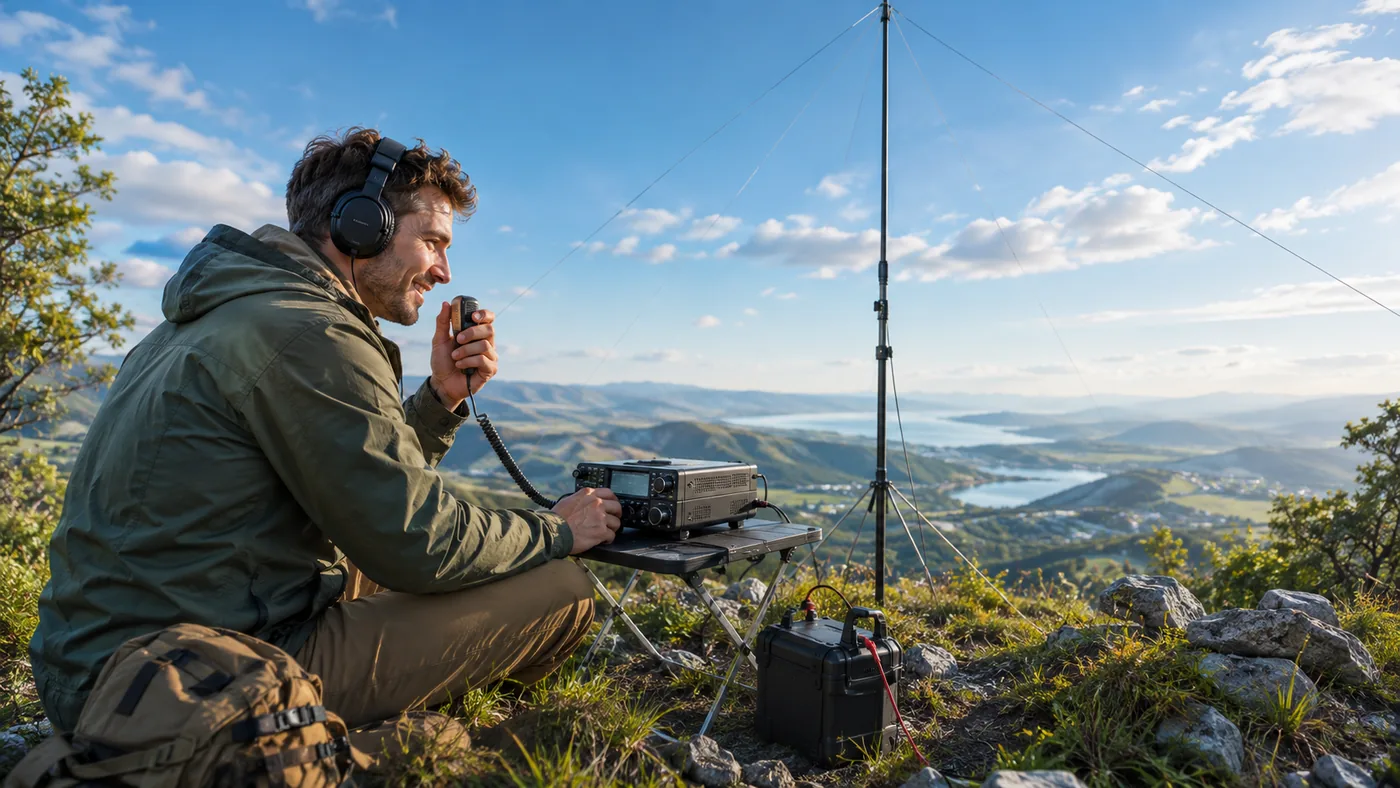
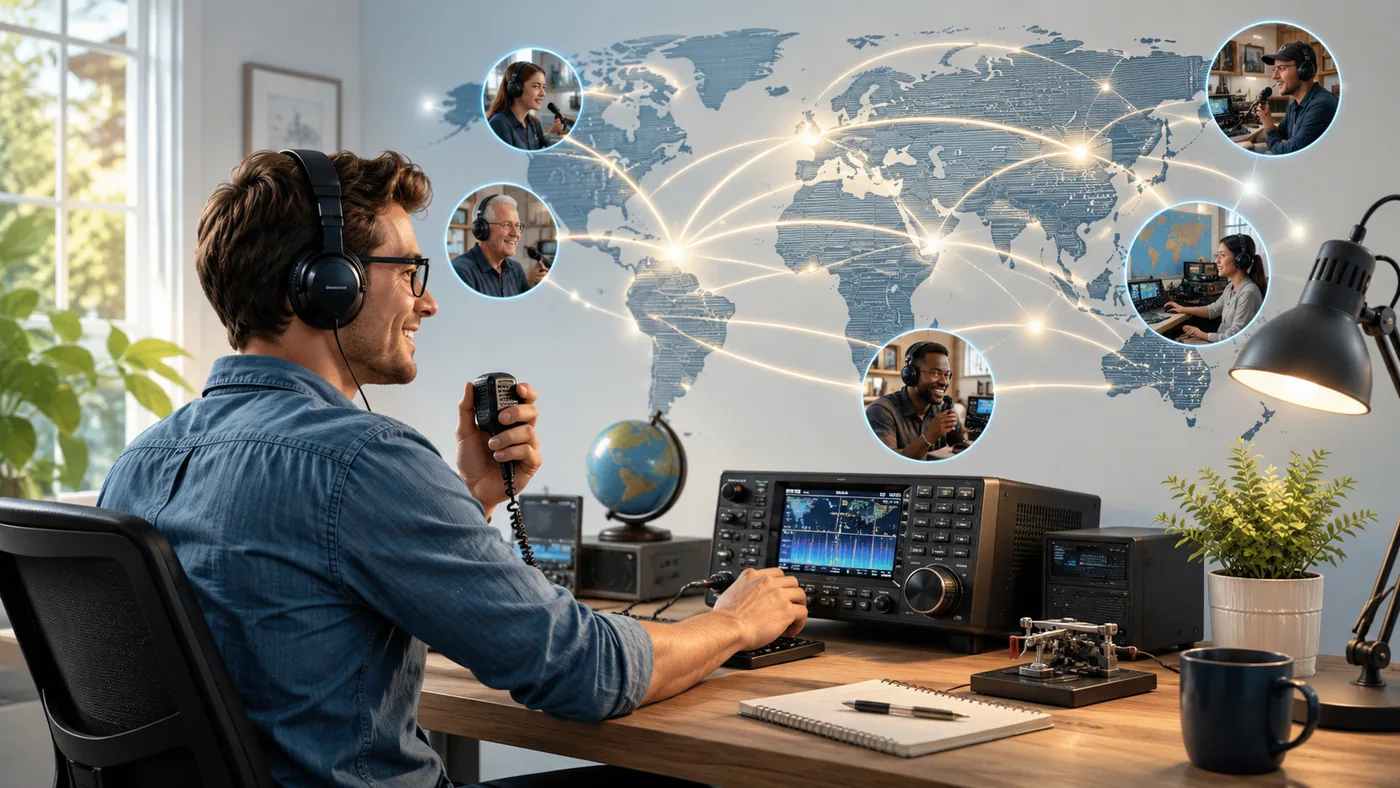
Talk to people across Europe, send signals thousands of kilometres with an antenna you built yourself, operate from a mountain, use amateur-radio satellites or keep communicating when mobile networks and the internet are unavailable: amateur radio is much more than a transceiver on a desk.
From the outside, the hobby can look like “people talking on radios”. In reality it is a huge playground combining electronics, software, outdoor operating, experimentation, propagation and real contacts with people around the world.
When the network is down, radio is not automatically down
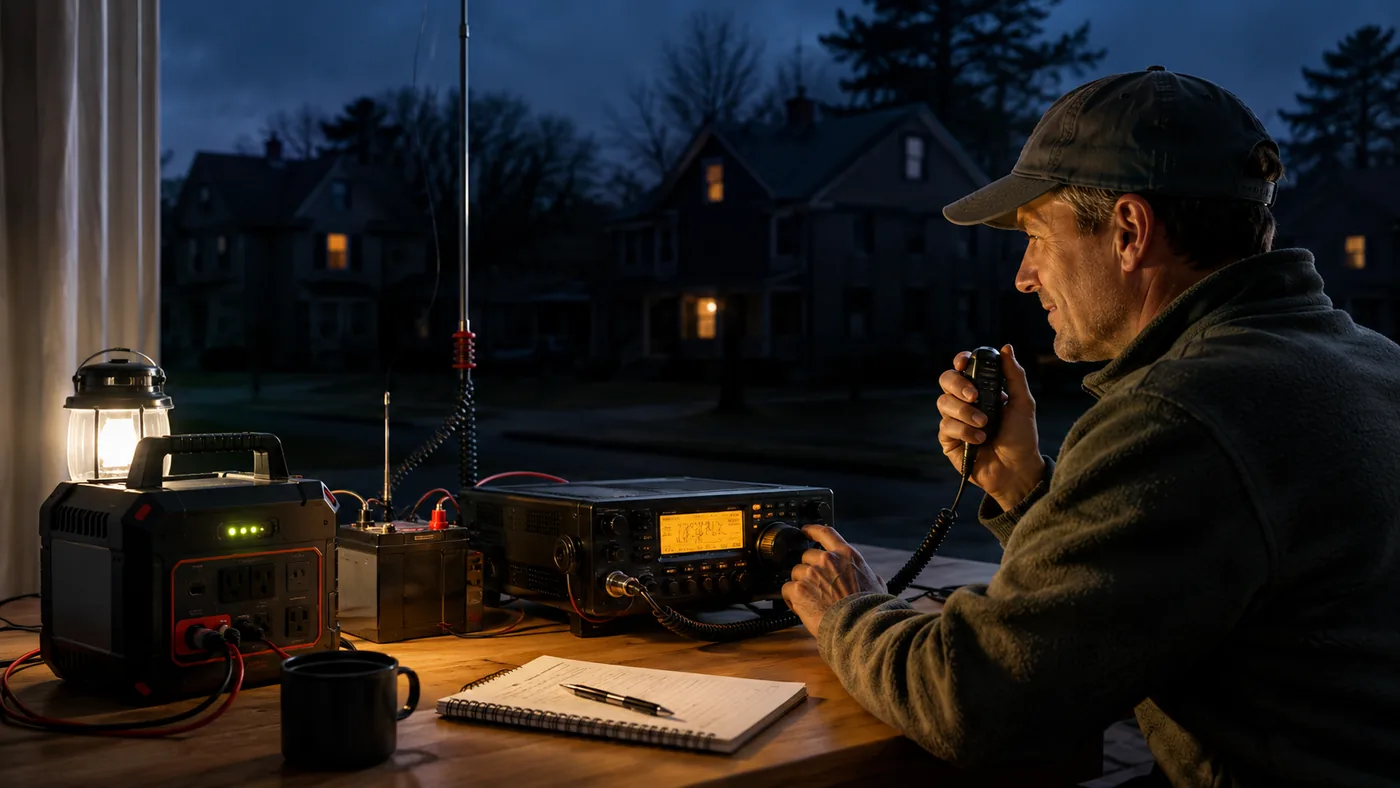
A direct amateur-radio contact does not inherently need a mobile tower, an ISP, a cloud account or a central platform. With suitable power, an antenna and a viable radio path, communication can still be possible when normal infrastructure is unavailable. It is not magic and it is never guaranteed, but learning independent communication is genuinely useful and fascinating.
Build something – and then actually use it
Antenna building is one of my favourite parts of the hobby. Wire, coax and a few simple parts can become a working antenna. Measure it, tune it, put it in the air and suddenly a real person answers through something you built yourself.
Satellites are part of the hobby too
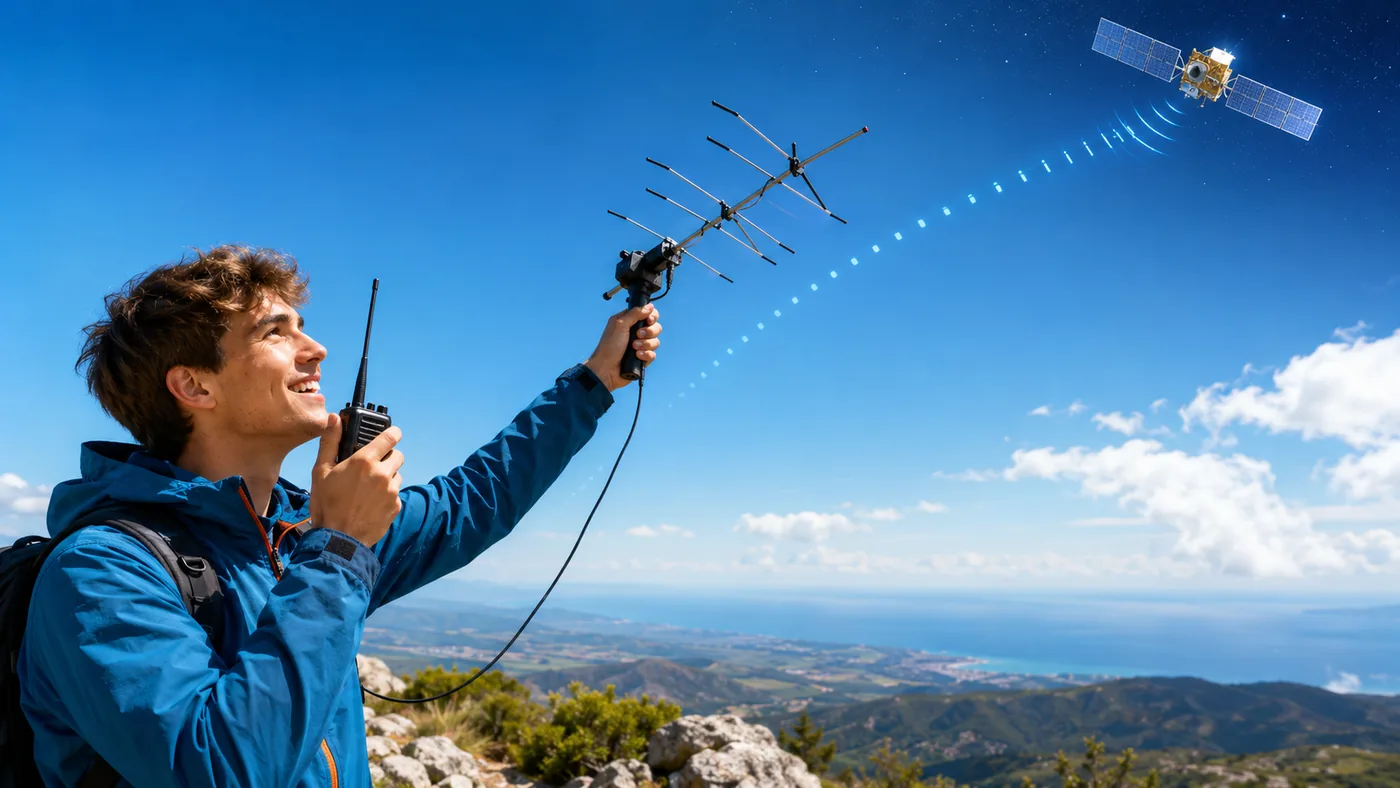
Tracking a satellite pass, aiming a directional antenna and hearing a signal relayed by an object in space is one of those moments where amateur radio stops sounding old-fashioned very quickly.
Outdoor, software, contests and worldwide contacts
POTA and SOTA take radio outdoors. Digital modes connect radio directly with computers. CAT control, SDRs, logging, APIs and signal analysis make the hobby a natural fit for software people. Contests turn operating into a fast-paced challenge. And behind every callsign is another human being with their own station and story.
The best part: getting started is more approachable than many expect
Germany now has the Class N entry licence. It is designed to teach the basics, get you your own callsign and let you experience real amateur radio without first becoming an electronics engineer.
Read next: how approachable is the German Class N licence really? →
My conclusion
Amateur radio is not a nostalgic relic to me. It is a hobby where classic RF technology meets modern software, outdoor operating, experimentation, DIY and real communication. If you enjoy technology, it is absolutely worth taking a closer look.